
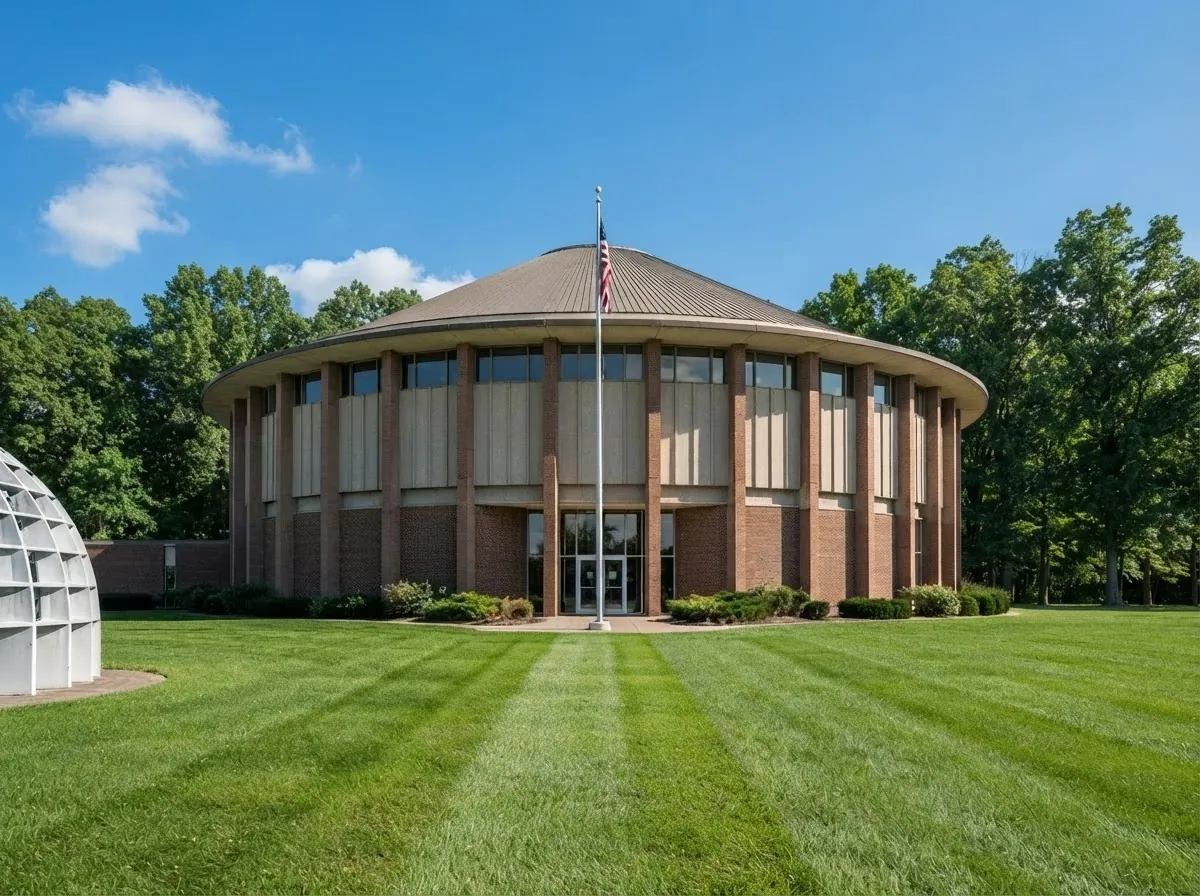
Court records in Bucks County, Pennsylvania, are maintained by several county offices — primarily the Clerk of Courts, the Prothonotary, and the Register of Wills. BucksCourt.us can help you find publicly available court record information for Bucks County. You can also access records through official county docket lookup portals, the Bucks County Court Records page, and by contacting the relevant clerk's office directly at the Bucks County Justice Center in Doylestown.
Bucks County Court System Overview
Bucks County is part of Pennsylvania's 7th Judicial District, which serves Bucks County exclusively. The Court of Common Pleas of Bucks County is the county's trial court of general jurisdiction, presided over by locally elected judges. The court includes Civil, Criminal, Family, and Orphans' Court divisions. Magisterial District Courts operate throughout the county, handling preliminary hearings, minor criminal matters, and small civil disputes. Court Administration oversees daily operations and judicial assignments.
Courts Serving Bucks County
| Court | Address | Phone |
|---|---|---|
| Bucks County Court of Common Pleas | 100 North Main Street, Doylestown, PA 18901 | 215-348-6389 |
| Magisterial District Courts (multiple locations throughout Bucks County) | Locations vary by district | See Docket Lookup Information for individual courts |
| U.S. District Court for the Eastern District of Pennsylvania | 601 Market Street, Philadelphia, PA 19106 | 215-597-7704 |
Bucks County falls within the U.S. District Court for the Eastern District of Pennsylvania for federal civil and criminal matters, and the same district handles federal bankruptcy filings.
What Types of Cases Bucks County Courts Hear
The Bucks County Court of Common Pleas and its Magisterial District Courts handle a wide range of case types:
- Felonies and misdemeanors
- Summary offenses and traffic violations
- Civil litigation (all dollar amounts)
- Small claims
- Family law — divorce, custody, child support, protection from abuse orders
- Probate — decedent estates, guardianships, trusts
- Juvenile delinquency and dependency matters
- Adoption and termination of parental rights
District Court Cases in Bucks County
The Bucks County Court of Common Pleas hears all major criminal cases after they are bound over from Magisterial District Court following a preliminary hearing. This includes felonies and serious misdemeanors. The court also handles civil cases above the magisterial jurisdictional limit, appeals from Magisterial District Courts, and post-conviction relief petitions. Cases are assigned to individual judges by Court Administration. The Clerk of Courts maintains criminal case files, while the Prothonotary maintains civil and family division records.
Magistrate Court Cases in Bucks County
Magisterial District Courts in Bucks County handle preliminary hearings for felony and misdemeanor charges, summary offenses, traffic violations, and DUI arraignments. They also hear civil claims up to $12,000 under Pennsylvania law. Small claims — informal civil disputes — follow the same $12,000 cap. Landlord-tenant disputes, including eviction actions, are filed at the magisterial level as well. Each Magisterial District Judge serves a specific geographic area within the county. You can search magisterial district court dockets through the county's docket lookup page, which links to the statewide UJS web portal.
Family Law, Probate, and Juvenile Matters in Bucks County
Family Law: Divorce, custody, child support, paternity, protection from abuse (PFA) orders, and termination of parental rights are handled by the Family Division of the Court of Common Pleas. PFA petitions can be filed through the Prothonotary's office. Custody and support matters often involve court-ordered mediation or conferences before a hearing.
Probate: Decedent estates, guardianships of incapacitated persons, and trust matters fall under the Orphans' Court Division. The Register of Wills probates wills and issues letters of administration. You can search orphans' court records and file documents through the Register of Wills and Clerk of Orphans' Court online portal.
Juvenile: Juvenile delinquency and dependency cases are heard by the Court of Common Pleas. Juvenile records are confidential under Pennsylvania law and are not available through public docket searches.
How Cases Move Through the Bucks County Court System
- Filing / Initiation: Criminal cases begin with a complaint filed at the Magisterial District Court. Civil cases start with a complaint filed at the Prothonotary. Family and orphans' court matters begin with a petition.
- Assignment: Court Administration assigns cases to judges. Criminal cases move from the magisterial level to the Court of Common Pleas after a preliminary hearing and bindover.
- Initial Hearings: Criminal defendants are arraigned. Civil cases receive a scheduling conference or case management order.
- Pre-Trial Phase: Parties exchange discovery, file motions, and may engage in plea negotiations (criminal) or settlement discussions (civil).
- Trial or Resolution: Cases proceed to a bench or jury trial, or resolve through plea agreement, settlement, or default judgment.
- Post-Judgment: Criminal cases move to sentencing. Civil judgments may be appealed or enforced. Appeals from the Court of Common Pleas go to the Pennsylvania Superior Court or Commonwealth Court.
Court Administration, Local Rules, and Public Access in Bucks County
The Bucks County Court of Common Pleas is administered by the President Judge with support from the Court Administrator's office, located at the Bucks County Justice Center. Local rules of court for the 7th Judicial District govern civil, criminal, family, and orphans' court procedures in Bucks County.
Public access to records: Many Bucks County court records are publicly accessible through free online portals. Others are available pursuant to fee schedules set by statute or adopted by the Pennsylvania Office of Open Records. Pennsylvania's Right-to-Know Law (Act 3 of 2008) governs public access to government records, while court records are separately governed by the Pennsylvania Supreme Court's public access policy. Some records — including juvenile, adoption, and certain family matters — are restricted.
Attending hearings: Court hearings at the Bucks County Justice Center are generally open to the public. Some proceedings may be conducted via video or telephone at the court's discretion. Contact Court Administration at 215-348-6389 for hearing schedules and remote access options.
For formal records requests, you can use the Bucks County records request process.
Court Records and Related Court Resources in Bucks County
- Docket Search: Search civil, criminal, and magisterial district court dockets through the Bucks County Docket Lookup page, which provides links to the statewide UJS web portal.
- Clerk of Courts: The Bucks County Clerk of Courts maintains criminal case files. Contact the office for certified copies or case information.
- Prothonotary: The Prothonotary's office handles civil and family division filings and records.
- Register of Wills / Orphans' Court: Search and file orphans' court documents through the e-filing and online records portal.
- Criminal Background Checks: The Pennsylvania State Police offer criminal history checks through PATCH (Pennsylvania Access to Criminal History). You can also request a background check through the Commonwealth's website.
- Warrants: Criminal and domestic warrants in Bucks County are handled by the Bucks County Sheriff's Office Criminal Warrants Division at 215-348-6126.
- Inmate Locator: Search for individuals in state custody using the Pennsylvania Department of Corrections Inmate Locator. For county-level inmates, contact the Bucks County Correctional Facility directly.
- Sheriff's Office: The Bucks County Sheriff's Office handles civil process, sheriff's sales, and warrant service.
- Vital Records: Birth and death certificates are managed by the Pennsylvania Department of Health, Division of Vital Records.
- Property Records: For deeds and real estate documents, visit the Bucks County Recorder of Deeds or search property records online through the LANDEX system.